
Computational Tools & Innovations
At the Färkkilä Lab, our primary focus is on understanding tumor biology. As part of this, we develop and apply computational approaches that help us make sense of complex spatial and multi-omics data. These tools are not an end in themselves, but a way to better explore biological questions and translate findings toward clinical relevance.
CEll Feature Importance Identification by RAndom-forest
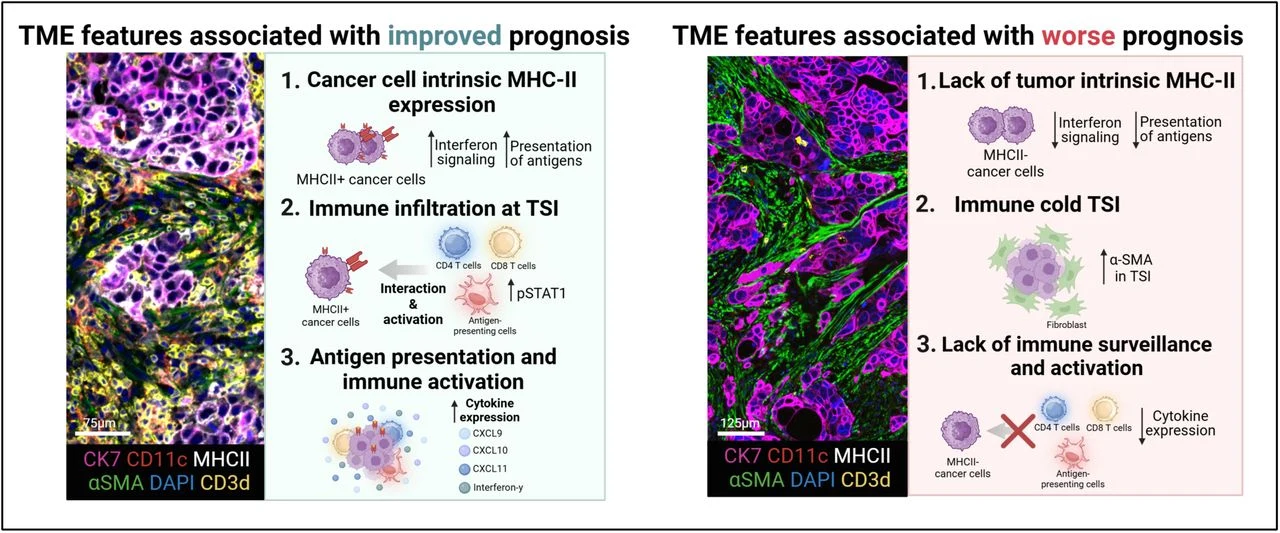
We developed CEFIIRA as a machine learning–based approach to help interpret single-cell spatial atlases of high-grade serous ovarian cancer. This method allows us to identify features that are most relevant within complex datasets, particularly in the context of highly multiplexed imaging. Using this approach, we were able to highlight biologically meaningful signals, such as the potential prognostic role of MHC class II expression in cancer cells. By leveraging random-forest importance scores, CEFIIRA provides a robust framework for identifying critical biomarkers within the tumor-immune microenvironment, facilitating deeper biological insights from spatial multi-omics data.
A semi-automated pipeline for cell phenotyping
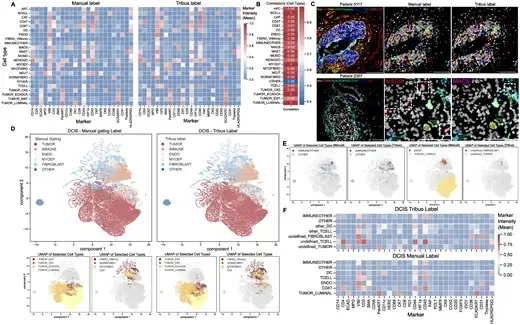
Tribus is a semi-automated pipeline we developed to support the identification of cell types and phenotypes from multiplexed imaging and spatial proteomics data. It helps streamline the phenotyping process and enables more consistent analysis of cellular organization within the tumor microenvironment. This tool is particularly useful in exploring how different cell populations interact in space, allowing researchers to accurately map the complex architecture of cancer tissues. By automating repetitive aspects of the identification process, Tribus reduces manual effort while maintaining the high precision required for detailed spatial analysis, ultimately helping to reveal the intricate spatial relationships that drive disease progression.
Precision diagnostics for ovarian cancer
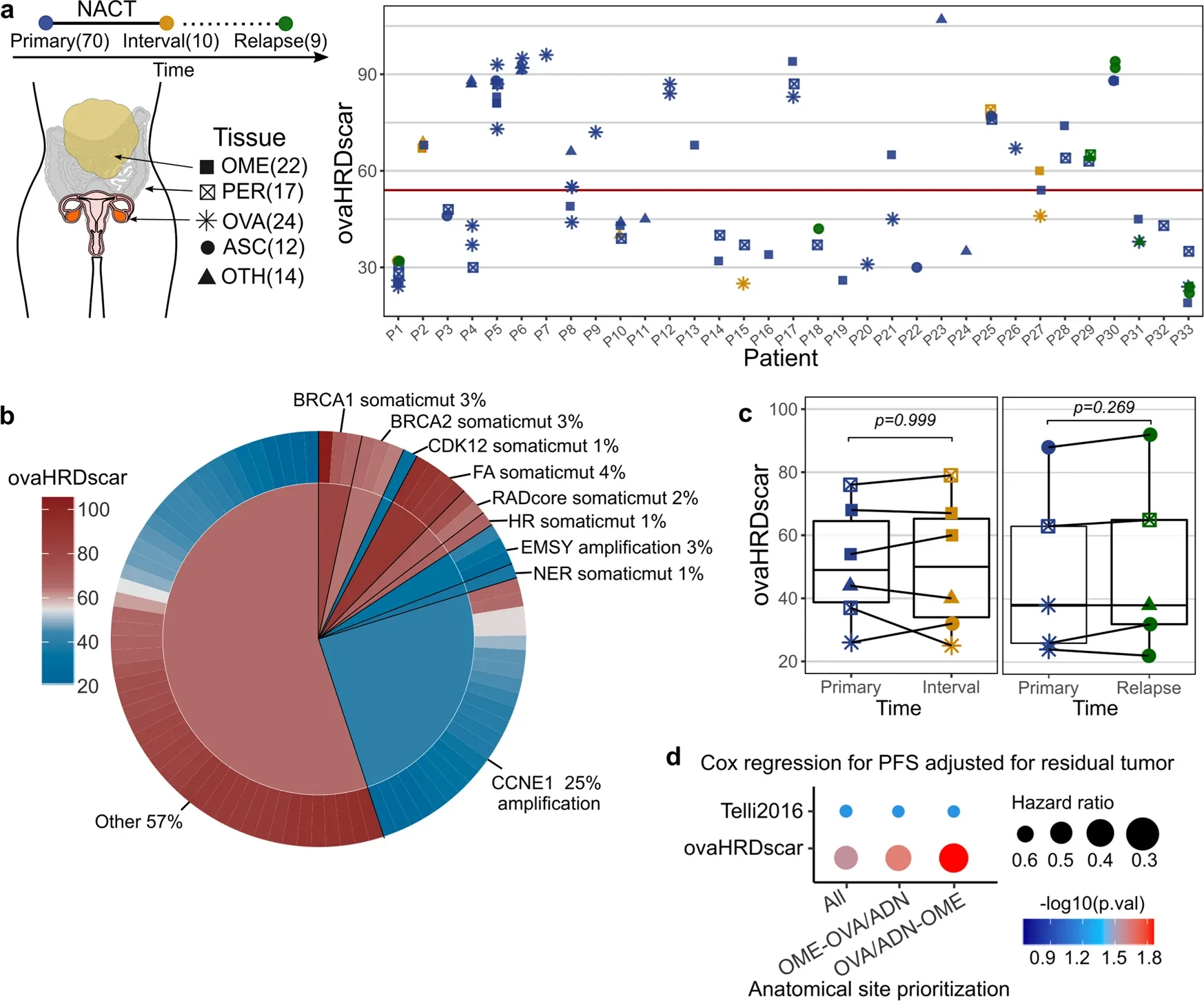
In addition to computational tool development, our work has contributed to improving genetic testing strategies for ovarian cancer. These efforts aim to better identify clinically relevant mutations and support treatment decisions through the integration of genomic and clinical data. By optimizing these testing protocols, we help ensure that patients are accurately diagnosed and that their therapy is tailored to their specific molecular profile. This work is essential for the implementation of precision medicine, helping to bridge the gap between scientific discovery and clinical care, and consistently contributing to more personalized and effective approaches to patient outcomes.
Overall, these approaches reflect our broader goal: to combine biological insight with computational methods in a way that helps us better understand disease and, over time, improve patient outcomes.
Färkkilä Lab • Helsinki • Computational Biology